
 Quicklinks▼
 Careers
 Citrix Storefront
 Contact
 Departments & Centers
 Donate
 Emergency Preparedness
 Find Employees
 LSU Health New Orleans
 Intranet
 Moodle
 myLSUHSC
 Office 365
 Office 365 Mail
 Patient Care
 Remote VPN
 Self Service


 LSU Health New Orleans
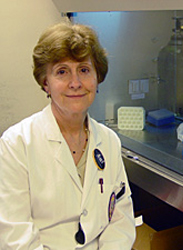
Haydee E. P. Bazan, Ph.D.
Haydee E. P. Bazan, Ph.D.
Professor of Neuroscience, Ophthalmology, Biochemistry and Molecular Biology
Professor of Neuroscience, Ophthalmology, Biochemistry and Molecular Biology
Neuroscience Center of Excellence
School of Medicine, LSU Health
2020 Gravier St. Suite D
New Orleans, LA 70112-2234
Phone (office): (504) 599-0877
Fax: (504) 568-2385
Email: hbazan1@lsuhsc.edu
Degrees
1965- M.S. - Universidad Nacional del Sur, Argentina
1975-Ph.D. - Universidad Nacional del Sur, Argentina
Bio
Positions
1965-1966 — Research Fellow, College of Physicians and Surgeons, Columbia University, New York.
1967-1968 — Research Assistant, Department of Biological Chemistry, Harvard University Medical School, Boston, MA.
1970-1977 — Instructor, Department of Biology, Universidad Nacional del Sur, Bahia Blanca, Argentina.
1977-1981 — Assistant Professor, Department of Natural Sciences, Universidad Nacional del Sur, Bahia Blanca, Argentina.
1981-1988 — Assistant Professor in Ophthalmology, Biochemistry and Molecular Biology, LSU Medical Center, School of Medicine, New Orleans.
1988-1993 — Associate Professor, in Ophthalmology, Biochemistry and Molecular Biology, LSU Medical Center, School of Medicine, New Orleans.
1993-present — Professor, in Ophthalmology, Biochemistry and Molecular Biology and Neuroscience, LSU Medical Center, School of Medicine, New Orleans.
Awards
Elected Board member, LSU Medical Center Sigma Xi, 1990-92.
Role Model Young Leadership Council, New Orleans, 2003.
Honorary Alumnus, LSU School of Medicine, 2008.
Excellence in Mentoring, 2008.
ARVO Fellow, 2009.
ARVO Gold Fellow, 2019 press release
100 Ophthalmologist Power List, 2022.
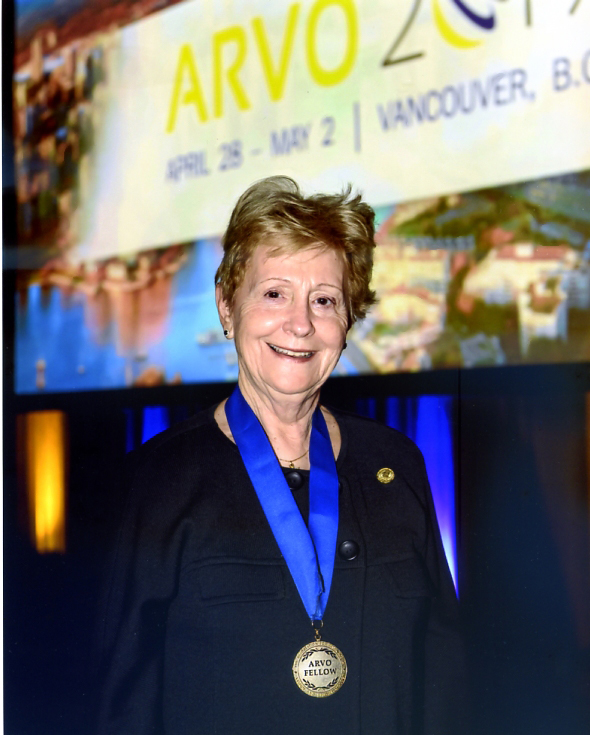
Haydee E.P. Bazan, PhD – recipient of ARVO Fellow award 2019
Dr. Haydee Bazan and Dr. He on the cover of IOVS, June 2019
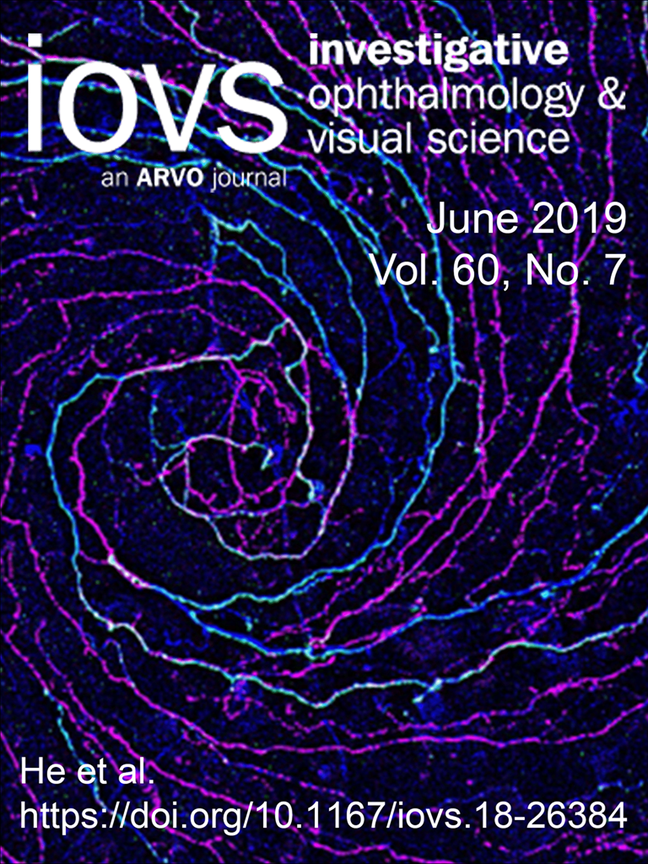
CLick on cover to see article
Research Interests and Goals
Signal transduction mechanisms of lipids and growth factors involved in inflammation and repair during corneal wound healing.
Mechanisms of neuroregeneration for the understanding and treatment of complications generated by nerve damage.
Study Sections
- NIH, National Eye Institute, Special Emphasis Panel, reviewer-2008.
- NIH, National Eye Institute, AED, reviewer-2010.
- AED, National Eye Institute, NIH, Ad hoc reviewer-2010.
- NIH, NEI Institute ZEY1, VSN, reviewer-2012.
- ZEY1 VSN, National Eye Institute, NIH, Ad hoc reviewer-2012.
- NIH, NEI Institute DPVS, reviewer-2013.
- DPVS, National Eye Institute, NIH-2013.
- Israel Science Foundation (ISF), Ad hoc reviewer-2013.
- Fondo para la Investigacion Cientifica y Tecnologica (FONCYT), Buenos Aires, Argentina-2013.
- PhD Studentship, Fight and Sight, London, UK-2013.
- Sensory Panel, SBIR, National Eye Institute, NIH-2014.
- ZRG1 Special Emphasis Panel, NHLBI, NIH, Ad hoc reviewer-2015.
- ZRG1, ETTN-12 Aging and Development, Auditory, Vision and Low Vision Technologies, NEI-NIH, Ad hoc reviewer, 2015.
- ZEY1, VSN, NEI Center Core Grants and Pathways to Independence Awards, Ad hoc reviewer, 2015.
- ZRG1, BDCN-R, NEI Pathophysiology of Eye Diseases, Ad hoc reviewer-2017.
- ZEY, VSN, NEI Pathways to Independence Grant Applications, Ad hoc reviewer-2017.
- ZRG1, BDCN, NEI-Ocular Surface, Ad hoc reviewer-2017.
- ZRG1, BDCNJ, NEI-Ocular Surface, Ad hoc reviewer-2018.
- ZRG1, BDCN-R, NEI-Special Emphasis Panel, Vision Impairments, Optic Neuropathy, Retinopathies, and Cornea Responses to Wound and Infections, Ad hoc reviewer- 2018.
- ZRG1, BDCN-R Special Emphasis Panel, Vision Impairment, Optic Neuropathy, Retinopathies, and Corneal Responses to Wound and Infections, Ad hoc reviewer-2018.
- ZRG1, BDCN-R, Special Emphasis Panel, Retinopathies, Cornea Regeneration and Strabismus, Reviewer-2019.
- NEI Pathophysiology of Eye Disease, reviewer-2021.
- ZRG1, F04B Fellowships: Chemistry, Biochemistry, and Biophysics, reviewer-2021.
Current Research
Dr. Haydee E.P Bazan's laboratory studies lipid second messengers in the cornea, particularly platelet activating factor (PAF), a potent lipid mediator of inflammatory and immunological responses and lipoxygenease derivatives from the arachidonic cascade. The laboratory has demonstrated that PAF is generated in retina and cornea after injury (e.g., laser photocoagulation, chemical burns in the eye) and that PAF mediates its action through receptors.
Dr. Bazan's laboratory has discovered that this particular lipid induces the expression of selective metalloproteinases (MMPs) – MMP-9, MMP-1 and MT1-MMP – involved in the degradation of components of the extracellular matrix (ECM) that are very important in the process of tissue repair. PAF also induces the expression of genes such as cyclooxygenase-2 (COX-2), increasing the synthesis of prostaglandins and producing sustained inflammation in the eye. On the other hand, 12/15 lipoxygenease derivatives are mediators in the repair action of EGF after corneal injury.
Another research interest is the study of cell signal transduction events during corneal wound healing, particularly how specific growth factors (HGF, KGF and EGF) are released during injury activate kinases and phosphatases to communicate their signals from the cell membrane to the nuclei.
A third project in the laboratory is the action of lipid mediators derived from docosahexaenoic acid (DHA) in combination with pigment epithelial derived growth factor (PEDF) on nerve regrowth after corneal wounding We discovery a new novel lipid mediator that is part of the signaling mechanism exerted by PEDF+DHA on the ocular surface, a resolvin D6 -isomer (RvD6si). This new lipid induce a specific transcriptome in the trigeminal ganglia after corneal injury increasing genes involved in axon growth and decreasing genes related to neuropathic pain
Because corneal nerves are important in the maintenance of corneal integrity and prevention of dry eye following surgery, RvD6si opens up new therapeutic avenues for pathologies that affect corneal innervation. Several animal models, as well as cells and organ cultures, are used. Analytical procedures such as liquid chromatography and mass spectrometry, a variety of molecular biology techniques such as sc-RNA seq, real time PCR, siRNAs, Western blot, immunoprecipitations, kinase assays and immuno-fluorescence are employed.
Teaching Activities
- Summer Undergraduate Program in Neurosciences (SUN) 1999-present
- Neuro 203 - Investigative Neuroscience, Graduate Students 2004-present
- Neuro 250 - Molecular Neurobiology, Graduate Students 2006-present (course co-director)
- Medical Students Outstanding Opportunities in Neuroscience (MOON) 2007-present
Committees & Administrative Responsibilities
- Member, Neuroscience Admission and Recruiting Graduate Students Committe, 1999-present
- Member, Promotion and Tenure Committee, Neuroscience Center, 2001-present
- Member, Promotion and Tenure Committee, Opthalomology, 2008-present
- Member, Junior Faculty Guidance and Mentoring Committee, LSUSOM, 2012-present
- Member, Promotion and Tenure Committee, Department of Interdisciplinary Oncology (DIO), 2021-present
Selected Publications
-
He J, Cosby R, Hill JM, Bazan HE. Changes in Corneal Innervation after HSV-1 Latency Established with Different Reactivation Phenotypes. .
Curr Eye Res. 2017 42(2):181-186. -
He J, Pham TL, Kakazu A, Bazan HEP. Recovery of Corneal Sensitivity and Increase in Nerve Density and Wound Healing in Diabetic Mice After PEDF Plus DHA Treatment. Diabetes. 2017. pii: db170249. doi: 10.2337/db17-0249.
-
He J, Neumann D, Kakazu A, Pham TL, Musarrat F, Cortina MS, Bazan HEP. PEDF plus DHA modulate inflammation and stimulate nerve regeneration after HSV-1 infection. Exp Eye Res. 2017 20:161:153-162
-
He J, Cosby R, Hill JM, Bazan HE. Changes in Corneal Innervation after HSV-1 Latency Established with Different Reactivation Phenotypes.
Curr Eye Res. 2017 Feb;42(2):181-186. doi: 10.3109/02713683.2016.1167919 -
He J, Bazan HE. Neuroanatomy and Neurochemistry of Mouse Cornea. Invest Ophthalmol Vis Sci. 2016 Feb;57(2):664-74. doi: 10.1167/iovs.15-18019.
-
He J, Cortina MS, Kakazu A, Bazan HE.The PEDF Neuroprotective Domain Plus DHA Induces Corneal Nerve Regeneration After Experimental Surgery.
Invest Ophthalmol Vis Sci. 2015 Jun;56(6):3505-13. doi: 10.1167/iovs.15-16755. -
He J, Bazan HE. Morphology and neurochemistry of rabbit iris innervation.Exp Eye Res. 2015 Mar 7. pii: S0014-4835(15)00087-1. doi: 10.1016/j.exer.2015.03.005. [Epub ahead of print] PMID:25752697
-
Chandrasekher G, Pothula S, Maharaj G, Bazan HE. Differential effects of hepatocyte growth factor and keratinocyte growth factor on corneal epithelial cell cycle protein expression, cell survival, and growth. Mol Vis. 2014 Jan 6;20:24-37. eCollection 2014. PMID:24426773 Free PMC Article
-
Pothula S, Bazan HE, Chandrasekher G. Regulation of Cdc42 expression and signaling is critical for promoting corneal epithelial wound healing. Invest Ophthalmol Vis Sci. 2013 Aug 9;54(8):5343-52. doi: 10.1167/iovs.13-11955.PMID:23833064
-
Cortina MS, He J, Russ T, Bazan NG, Bazan HE. Neuroprotectin D1 restores corneal nerve integrity and function after damage from experimental surgery. Invest Ophthalmol Vis Sci. 2013 Jun 12;54(6):4109-16. doi: 10.1167/iovs.13-12075. PMID:23702780 Free PMC Article
-
Kenchegowda S, He J, Bazan HE., Involvement of pigment epithelium-derived factor, docosahexaenoic acid and neuroprotectin D1 in corneal inflammation and nerve integrity after refractive surgery.Prostaglandins Leukot Essent Fatty Acids. 2013 Jan;88(1):27-31.
- He J, Bazan HE., Corneal nerve architecture in a donor with unilateral epithelial basement membrane dystrophy., Ophthalmic Res. 2013;49(4):185-91.
- Cortina, M.S., He, J., Li, N., Bazan, N.G., Bazan, H.E.P. Recovery of corneal sensitivity, CGRP positive nerves and increased wound healing are induced by PEDF and DHA after experimental surgery. Arch Ophthalmol. 2012 130:76-83 (2011 online first)
- Cortina, M.S., Bazan, H.E.P. Docosahexaenoic acid, protectins and dry eye. Curr Opin Nutr Metab Care(2011) 14:132-137.
- He, J., Kakazu, A.H., Bazan, N.G., Bazan, H.E. Aspirin-triggered lipoxin A4 (15-epi-LXA4) increases the endothelial viability of human corneas storage in optisol-GS. J. Ocul Pharmacol Ther, (2011) 27:235-241.
- Kenchegowda, S., Bazan, N.G., Bazan, H.E. EGF stimulates lipoxin A4 synthesis and modulates repair in corneal epithelial cells through ERK and p38 activation. Invest Opthalmol Vis Sci. (2011) 6:52(5):2240-9.
- Li, N., He, J., Schwartz, C.E., Gjorstrup, P., Bazan, H.E.P. Resolving E1 (RvE1/RX-1001)
improves tear production and decreases inflammation in a dry eye mouse model. J Ocul Pharmacol Ther(2010) 26:431-439.
- He, J., Eastlack, J.P., Bazan, H.E.P. The induction of an angiogenesis response in corneal myofibroblasts by platelet-activating factor, Curr. Eye Res, (2010) 35:1063-1071.
- Cortina, M.S., He, J., Li, N., Bazan, H.E.P. PEDF plus DHA induces neuroprotection D1 synthesis and corneal nerve regeneration after experimental surgery. Invest Opthalmol Vis Sci (2010) 51:804-810.
- Kakazu, A., Sharma, G., Bazan, H.E.P. Association of protein tyrosine phosphates (PTPs)-1B with c-Met receptor and modulation of corneal epithelial wound healing. Invest Ophthalmol Vis Sci (2008) 49:2936-45.
- He, J., Bazan, H.E.P. Epidermal growth factor (EGF) induces corneal keratocyte differentiation via PI-3 kinase activity. Synergism with TGF-β1. Invest Ophthalmol Vis Sci (2008) 49:2927-35.
- Sharma, G.D., Kakazu, A., Bazan, H.E.P. Protein kinase C alpha and epsilon differentially modulate hepatocyte growth factor-induced epithelial proliferation and migration. Exp Eye Res (2007) 85:289-97.
- Taheri, F., Bazan, H.E.P. Platelet-activating factor overturns the transcriptional repressor disposition of Sp1 in the expression of matrix metalloproteinase 9 in human corneal epithelial cells. Invest Ophthalmol Vis Sci (2007) 48:1931-41.
- He, J., Bazan, H.E.P. Synergistic effect of platelet-activating factor and tumor necrosis factor-alpha on corneal myofibroblast apoptosis. Invest Ophthalmol Vis Sci (2006) 47:883-91.
- He, J., Bazan, N.G., Bazan, H.E.P. Prevention of Alkali-induced corneal stromal melting by a novel platelet-activating factor receptor antagonist. Arch Ophthalmol (2006) 124:70-8.
- Esquenazi, S., Bazan, H.E.P., Bui, V., He, J., Kim, D., Bazan, N.G. Topical combination of NGF and DHA increases rabbit corneal nerve regeneration after PRK. Invest Ophthalmol Vis Sci (2005) 46:121-7.
- Bazan, H.E.P . Cellular and molecular events in corneal wound healing: Significance of lipid signaling. Exp Eye Res (2005) 80:453-63.
-
Pham TL, Kakazu A, He J, Bazan HEP. Mouse strain and sexual divergence in corneal innervation and nerve regeneration. FASEB J. 33:4598-4609, 2019.
-
He J, Pham TL, Kakazu A, Bazan HEP. Remodeling of substance P (SP) sensory nerves and transient receptor potential melastatin 8 (TRPM8) cold receptors after corneal experimental surgery. Invest. Opthalmol Vis Sci 60:2449-2460,2019.
-
Pham TL, Kakazu A, He J, Bazan HEP. Novel RvD6 stereoisomer induces corneal nerve regeneration and wound healing post-injury by modulating trigeminal transcriptome signature. Scientific Reports 10:4582, 2020.
-
Pham TL, Bazan HEP. Docosanoids signaling modulates corneal nerve regeneration: Effect on tear secretion, wound healing, and neuropathic pain. J lipid Res.62: 2021.
-
Colorado LH, Edwards K, Chinnery HR, Bazan HE. In vivo immune cell dynamics in the human cornea. Exp. Eye Res.199:108168, 2020.
-
Pham TL, He J, Kakazu A, Calandria J., Do KV, Nshimiyimana R, Petasis NA, Bazan HEP*, Bazan NG*. Elovanoids –N32 or RvD6-isomer decrease ACE2 and binding of S protein RBD after injury or INFγ in the eye. ScientificReports 11:12787, 2021. * Corresponding authors
-
He J, Pham TL, Bazan HEP. Neuroanatomy and neurochemistry if rat cornea: Changes with age. The Ocular Surface. 20:86-94, 2021.
-
Pham TL, Kakazu AH, He J, Nshimiyimana R., Petasis NA, Bokkyoo J, Bazan NG and Bazan HEP. Elucidating the structure and functions of resolvin D6 isomers on nerve regeneration with a distinctive trigeminal transcriptome. FASEB J 35:e21776, 2021.
-
Robert Nshimiyimana, Ting Fung Lam, Shubhangi Aggarwal, Nicolas G.Bazan, Haydee E.P. Bazan, Nicos A. Petasis. First Total Synthesis of 4(R),17(R)-Resolvin D6 stereoisomer, a potent neuroprotective docosanoid.Tetrahedron Letters,106:154091.2022.
-
He J. Pham TL, Kakazu AH, Ponnath A. Do KV, Bazan HEP. Lipoxin A4 (LXA4) reduces alkali-induced corneal inflammation and neovascularization and upregulates a repair transcriptome. Biomolecules 13:831-843, 2023.
Additional Info
Funding
"Lipid Mediators in Corneal Nerve Regeneration"
Principal Investigator: Haydee E. P. Bazan, Ph.D.
Agency: NIH, NEI (R01 EY019465)
Period:04/09 - 03/12
"Lipid Mediators in Corneal Nerve Regeneration"
Principal Investigator: Haydee E. P. Bazan, Ph.D.
Agency: NIH, NEI (R01 EY019465)
Period:03/13 - 04/17
"Lipid Mediators in Corneal Nerve Regeneration"
Principal Investigator: Haydee E. P. Bazan, Ph.D.
Agency: NIH, NEI (R01 EY019465)
Period:04/18 - 04/24
"A Novel Approach to Restore Sight after Corneal Chemical Injury"
Principal Investigator: Haydee E. P. Bazan, Ph.D.
Agency: NIH, NEI (R21 EY031031)
Period:04/21 - 04/23