
Celebrating World Research Day at LSU LCMC Health Cancer Center
September 24, 2024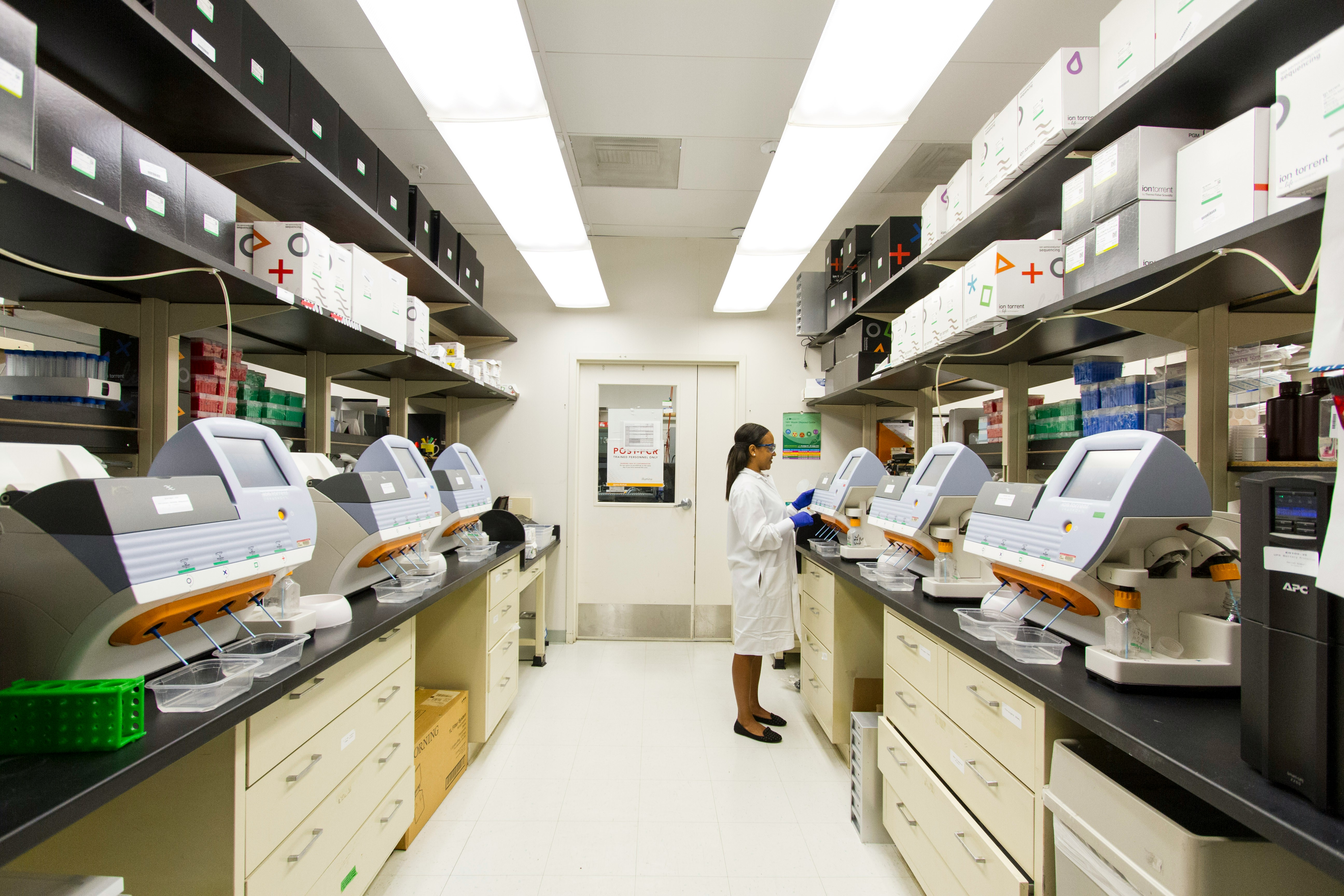
Across the globe, there are 8 billion people, each with their own values, experiences, and perspectives. Despite our differences, we all face a common foe: cancer. Cancer can impact anyone, no matter how old they are, what they look like, or where they call home.
Cancer is the 2nd leading cause of death worldwide, and it’s expected to become the leading cause of death by 2030.
One of the most impactful ways to prevent and cure cancer is through research, a mission highlighted annually by World Research Day on September 24th. By furthering research and understanding of the causes, prevention, and early detection of cancer, the disease will become less of a burden worldwide.
Collaboration is critical in this endeavor. From interdisciplinary efforts to global efforts, we can accelerate the progress of cancer research when we work together. At LSU LCMC Health Cancer Center, collaboration is at the heart of what we do. We’re proud to contribute to World Research Day this September and every day.
Cancer Research Initiatives at LSU LCMC Health Cancer Center
At LSU LCMC Health Cancer Center, we approach cancer research in ways that make significant strides in the fight against this disease, both locally and globally.
Our Department of Interdisciplinary Oncology (DIO) joins together the brightest minds within our institution to pool their knowledge and better understand cancer. By prioritizing collaboration among basic science, population, and clinical investigators, we’re making progress in preventing, diagnosing, and treating cancer. The DIO also streamlines access to Shared Resources, making research more efficient and effective.
Interdisciplinary efforts are also at the center of other LSU LCMC Health Cancer Center research initiatives. For instance, our translational medicine research is a crucial link between laboratory research and patient care. Often referred to as a bench-to-bedside approach, translational medicine ensures patients in Louisiana and around the world benefit from the findings of our researchers.
Our cancer initiation and progression research focuses on understanding how viruses (such as HIV) and other environmental factors play a role in cancer. The Center for Translational Viral Oncology (CTVO) supports this research initiative and directly improves disease management and patient care among Louisiana patients suffering from cancer and virus-related diseases. Our global viral oncology research and training programs extend this research into places like Zambia and Tanzania by pooling together even more resources and preparing the next generation of talented researchers.
Cancer Research to Benefit Women and Minority Populations
While cancer can impact anyone, some populations are disproportionately affected. For instance, our catchment area (the area we serve) of Louisiana is over 30% Black or African American. Compared to white residents, Black or African American Louisianians are more likely to live in poverty, not have health insurance, or have lower levels of education – all of which put them at a higher chance of negative health outcomes like cancer.
Much of our research advances cancer care for minority populations. For example, research led by Jovanny Zabaleta, MS, Ph.D., Associate Professor, Department of Interdisciplinary Oncology, LSU LCMC Health Cancer Center, centers on biomarkers (proteins, genes, and other substances) and cancer. His work focuses on how biomarkers may play a role in minority populations being more likely to develop certain cancers.
Women also face additional forms of cancer, including gynecologic cancer, which includes all parts of the female reproductive system (the cervix, uterus, ovaries, vagina, and vulva). Our Division of Gynecologic Oncology’s research through clinical trials is improving access to care and advancing research in gynecological care. They currently enroll nearly 30% of their cancer patients on potentially lifesaving trials – a metric that far exceeds expectations and ensures more patients get the care they need.
Advancing Cancer Research Through Clinical Trials
Clinical trials are a key component of advancing cancer research and providing the latest treatment options to patients in the Gulf South region. They offer access to the most up-to-date cancer detection and treatment options before they are available to the public. They also provide additional support, including doctors and medical experts dedicated to each patient’s individual progress.
By offering clinical trials through the Gulf South Clinical Trials Network, our trials focus on the current needs of our population. This means both our communities and the people our communities represent directly benefit from our clinical trials.
These efforts are supported by the NCI Community Oncology Research Program (NCORP), which was formed to create easier and more convenient access to clinical trials for patients, especially in underserved communities, including in Louisiana.
Community-Centered Cancer Research Initiatives
Louisiana residents are at the center of what we do. We aim to improve the health of Louisiana communities by dedicating resources to preventing cancer and improving treatment options in our state.
Our community outreach and engagement programs work directly with our communities, especially those with the greatest needs. Through research initiative and community engagement efforts like the Louisiana Cancer Prevention & Control Programs (LCP) and Louisiana Campaign for Tobacco-Free Living (TFL), we ensure our research arises from the needs of, and provides direct benefits to, our residents.
What’s more, because of Louisiana’s unique population, LSU LCMC Health Cancer Center plays a unique role in advancing cancer research in high-risk populations. For instance, our state faces high rates of social determinants of health that are linked with cancer, such as living below poverty levels and being uninsured. By addressing the needs of these populations, our research advances care for high-risk populations across the globe.
What’s Next? The Future of Cancer Research
Cancer research is inherently a collective effort. No one individual, institution, or even country could accomplish the same level of progress we can achieve when we work together.
Support for research efforts includes everything from research initiatives to public policies to participation in clinical trials. Everyone – including researchers, providers, lawmakers, and patients – plays a crucial role in the prevention, early diagnosis, and treatment of cancer.
At LSU LCMC Health Cancer Center, we are committed to advancing cancer care through research. In collaboration with our talented researchers, inspiring patients, and dedicated supporters, we envision a world unburdened by cancer and its impacts.