
Critical Care Medicine Fellowship Program
About Us
PROGRAM LEADERSHIP

Nicholas Raush, MD
Program Director
Assistant Professor of Clinical Medicine
Pulmonary & Critical Care Medicine
Medical School LSU New Orleans
Residency University of Alabama Birmingham
Fellowship Washington University
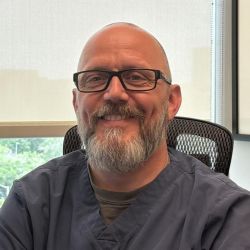
James Walker, MD, PhD, FCCP
Associate Program Director
Assistant Professor of Clinical Medicine
Pulmonary & Critical Care Medicine
Medical School University of Mississippi
Residency LSU Baton Rouge
Fellowship LSU/Ochsner New Orleans
CORE FACULTY
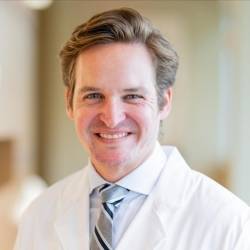
Matthew Berlinger, MD
Assistant Professor of Clinical Medicine
Pulmonary & Critical Care Medicine
Medical School LSU New Orleans
Residency LSU Baton Rouge
Fellowship Johns Hopkins
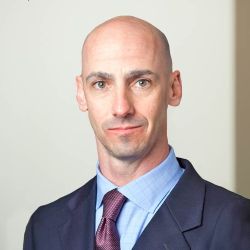
Stephen Brierre, MD, FCCP
Associate Professor of Clinical Medicine
Pulmonary & Critical Care Medicine
Medical School LSU New Orleans
Residency LSU Baton Rouge
Fellowship LSU/Ochsner New Orleans
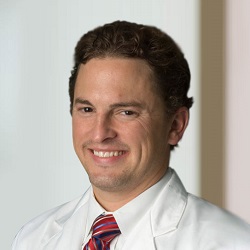
Roy Culotta, MD
Assistant Professor of Clinical Medicine
Pulmonary & Critical Care Medicine
Medical School LSU New Orleans
Residency Vanderbilt
Fellowship LSU/Ochsner New Orleans
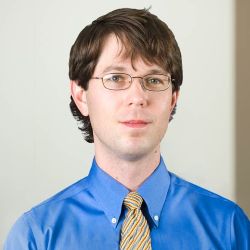
John Godke, MD, FCCP
Associate Professor of Clinical Medicine
Pulmonary & Critical Care Medicine
Medical School LSU New Orleans
Residency LSU Baton Rouge
Fellowship LSU/Ochsner New Orleans
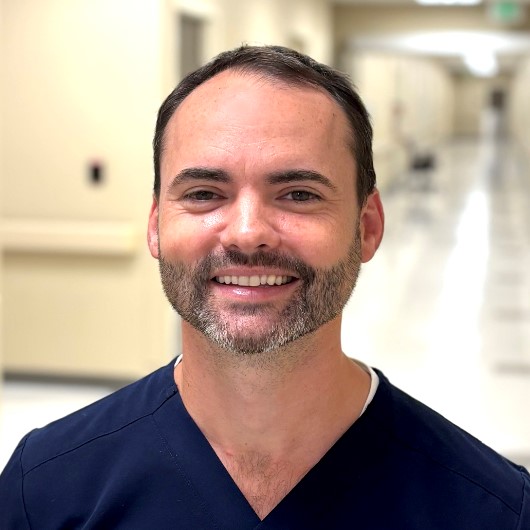
Jason Green, DO
Assistant Professor of Clinical Medicine
Pulmonary & Critical Care Medicine
Medical School West Virginia
Residency SUNY Downstate
Fellowship University of Pittsburgh
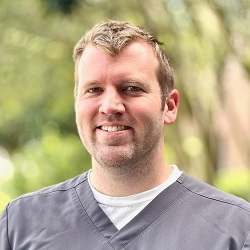
Robert Hosse, MD
Assistant Professor of Clinical Medicine
Pulmonary & Critical Care Medicine
Medical School LSU New Orleans
Residency LSU Baton Rouge
Fellowship Virginia Commonwealth University
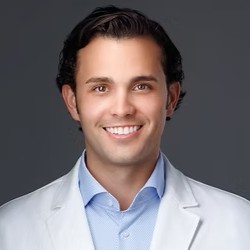
Mitchell Hymowitz, MD
Assistant Professor of Clinical Medicine
Emergency Medicine & Critical Care Medicine
Medical School UT San Antonio
Residency LSU Baton Rouge
Fellowship University of Washington
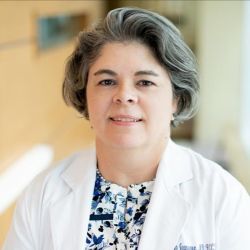
Tonya Jagneaux, MD, MSHI, FCCP
Professor of Medicine
Pulmonary & Critical Care Medicine
Medical School LSU New Orleans
Residency LSU Baton Rouge
Fellowship LSU/Ochsner New Orleans

Lauren Miles, MD
Assistant Professor of Clinical Medicine
Nephrology & Critical Care Medicine
Medical School University of Missouri
Residency LSU Baton Rouge
Fellowship Wake Forest, MUSC
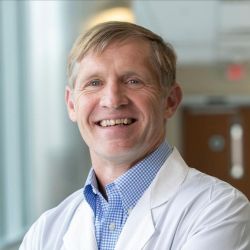
Hollis O'Neal, MD, MSc
Associate Professor of Medicine
Pulmonary & Critical Care Medicine
Medical School LSU New Orleans
Residency LSU Baton Rouge
Fellowship Vanderbilt
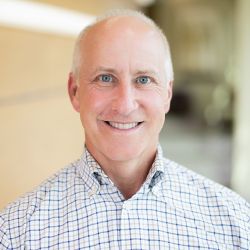
Kevin Reed, MD, FCCP
Professor of Clinical Medicine
Pulmonary & Critical Care Medicine
Medical School LSU New Orleans
Residency LSU New Orleans
Fellowship LSU/Ochsner New Orleans
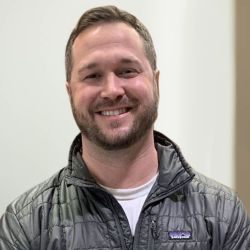
Ryan Richard, MD
Assistant Professor of Clinical Medicine
Pulmonary & Critical Care Medicine
Medical School LSU New Orleans
Residency LSU Baton Rouge
Fellowship University of Virginia
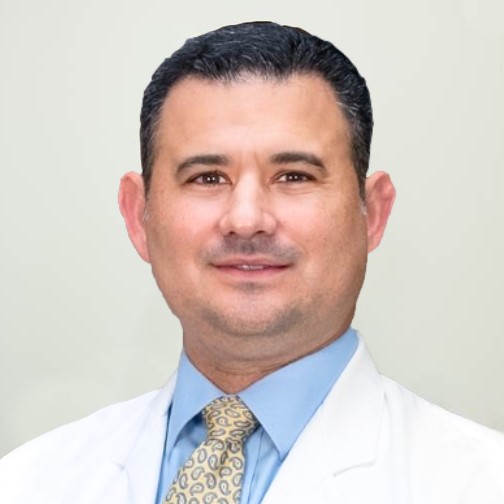
Michael Sanchez, MD
Assistant Professor of Medicine
Pulmonary & Critical Care Medicine
Medical School LSU New Orleans
Residency LSU Baton Rouge
Fellowship Wake Forest
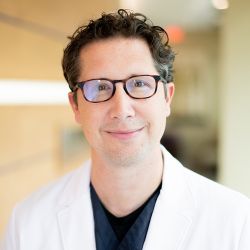
Christopher Thomas, MD
Assistant Professor of Clinical Medicine
Pulmonary & Critical Care Medicine
Medical School Ohio State University
Residency Vanderbilt
Fellowship Vanderbilt
As the epicenter of GME efforts in Baton Rouge, the MEIC creates a peaceful and reflective environment that conveys a message that medicine should remain foremost a healing profession that embodies humanism as one of its most fundamental characteristics.
Simulation & Innovation Center tour
About the Medical Education and Innovation Center
The MEIC cultural tour
Regional Campus Overview
Curriculum
- Intensive Care Units
- Medical
- Surgical
- Trauma (one of only two Level 1 Trauma Centers in Louisiana)
- Cardiovascular
- Neurosurgical (Stroke Center of Excellence)
- Critical Care Ultrasound
- Airway / Bronchoscopy
- ECMO (including cannulations)
- Bone Marrow Transplant
- Simulation & Innovation Center
- Multidisciplinary Critical Care Journal Club
- Research
Moonlighting
Per the Policy for Clinical and Educational Work Hours:
- Moonlighting is voluntary
- Must not interfere with the fellow's ability to achieve educational objectives
- Must not compromise patient safety
- All moonlighting must be approved in advance by the Program Director
- Moonlighting hours count toward the 80-hour weekly limit
- Fellows may not moonlight while scheduled for official fellowship duties
- Fellows may not moonlight when fatigue may impair performance or safe travel
- The Program Director may restrict or revoke moonlighting privileges if moonlighting
interferes with:
- Educational objectives
- Patient safety
- Professionalism
- Compliance with work hour requirements

Welcome to Red Stick! Located on the eastern bank of the Mississippi River, Baton Rouge is the second-largest city in Louisiana. With over 300 years of rich history and culture, there's always something for you to do.
FOOD & DRINKCajun cuisine is a huge part of Louisiana culture, but that isn't all this city has to offer! There's a diverse mix of enough to satisfy any foodie out there.
- MidCity Beer Garden
- Pelican to Mars
- BRQ
- SoLou
- Mestizo
- Bảo Vietnamese Kitchen
- Mansurs
- Louisiana Lagniappe
- Jubans
- Parrain's
Come downtown and visit the tallest State Capitol Building in the U.S.
- Baton Rouge Symphony
- Louisiana Art & Science Museum
- Manship Theater
- Shaw Center
- Tours of Baton Rouge
- Old State Capitol Building
- Capitol Building
Louisiana may be known as the "Sportman's Paradise" due to unparalleled year-round fishing and hunting opportunities, but there are plenty of things to do outside!
- BREC Parks
- Kisatchie National Forest
- Uptown Climbing
- Red Stick Social
- Popular Baton Rouge Running Spots
- Tunica Hills
- BREC Golf Courses
Tiger fans tailgate for hours before every home game. Whether they are cooking big pots of jambalaya, playing a little football, or socializing, it's a great time for all that attend!
Interested applicants can upload their application via the Electronic Residency Application Service (ERAS). Applicants must have completed a residency in Emergency Medicine or Internal Medicine. We do not accept IMGs with H1-B visas. All interested applicants will need to complete the application through ERAS, consisting of the following:
- ERAS Application
- Photograph
- Personal Statement
- Medical school transcript
- Program Director LOR
- USMLE or COMLEX scores report
- 3 Letters of Recommendation
Applicants are judged on academic qualifications, clinical ability and preparedness, communication skills, and personal qualities such as motivation and integrity. Our selection criteria conform to the guidelines of the Accreditation Council for Graduate Medical Education (ACGME) outlined in the ACGME Institutional Requirements. Our program does not discriminate with regard to sex, age, religion, color, national origin, disability, or veteran status.
All house staff must meet and maintain the Louisiana State Board of Medical Examiners requirements for an unrestricted medical license.
For more information, please contact the program:
Critical Care Medicine Fellowship (som-br-critcare@lsuhsc.edu)
LSU Health Medical Education and Innovation Center
5246 Brittany Drive, 4th floor
Baton Rouge, LA 70808
Mission Statement
The Louisiana State University Health Sciences Center Baton Rouge Critical Care Fellowship Program trains physicians to be leaders in the field of critical care medicine while enhancing the quality of healthcare in the Capital Region. Critical care fellows gain broad clinical skills by treating a diverse array of patients in several hospital settings. We cultivate a training environment of high-quality evidence-based medicine, rigorous scholarship, and compassionate care.
Program Overview
The LSU Baton Rouge Critical Care Medicine Fellowship Program is a two-year fellowship designed to train skilled, knowledgeable, and compassionate critical care physicians who provide exceptional patient care and contribute meaningfully to the evolving field of critical care medicine.
The program reflects a longstanding committent by LSU, FMOL Health, and the State of Louisiana to strengthen patient care and graduate medical education in Baton Rouge. Since the transfer of LSU-sponsored GME programs to Our Lady of the Lake Regional Medical Center in 2013, graduate medical education in Baton Rouge has continued to grow through the development of exceptional residency and fellowship programs.
The fellowship's primary training site is Our Lady of the Lake Regional Medical Center in Baton Rouge, the largest private hospital in Louisiana and a major tertiary referral center for the region. Fellows train in a broad range of ICU settings, including medical, surgical, neurosurgical, cardiac, and trauma critical care. Additional rotations provide opportunities in research, procedural training, and other areas essential to the practice of modern critical care medicine.
The program offers two fellowship positions per year. Applicants must have completed, or be expected to complete, an ACGME-accredited residency in Internal Medicine or Emergency Medicine and meet all applicable board eligilibility requirements.
PROGRAM AIMS
- Immersive and comprehensive clinical training across varied ICU environments ensures fellows develop proficiency in managing a broad spectrum of critical illness.
- A robust, evidence-based curriculum incorporates protected didactic time, simulation-based training, multidisciplinary case conferences, and formal instruction in ICU leadership, procedural skills, and clinical reasoning.
- The fellowship promotes progressive fellow competence, ensuring fellows are ready to lead interprofessional ICU teams and manage transitions of care.
- Scholarly activity is vigorously supported through longitudinal faculty mentorship, with fellows completing quality improvement, clinical research, and educational scholarship while utilizing vast institutional resources.
- Training emphasizes compassionate, ethical, and patient-centered care for critically ill patients and their families.